The Comeback of a Stealth Contender
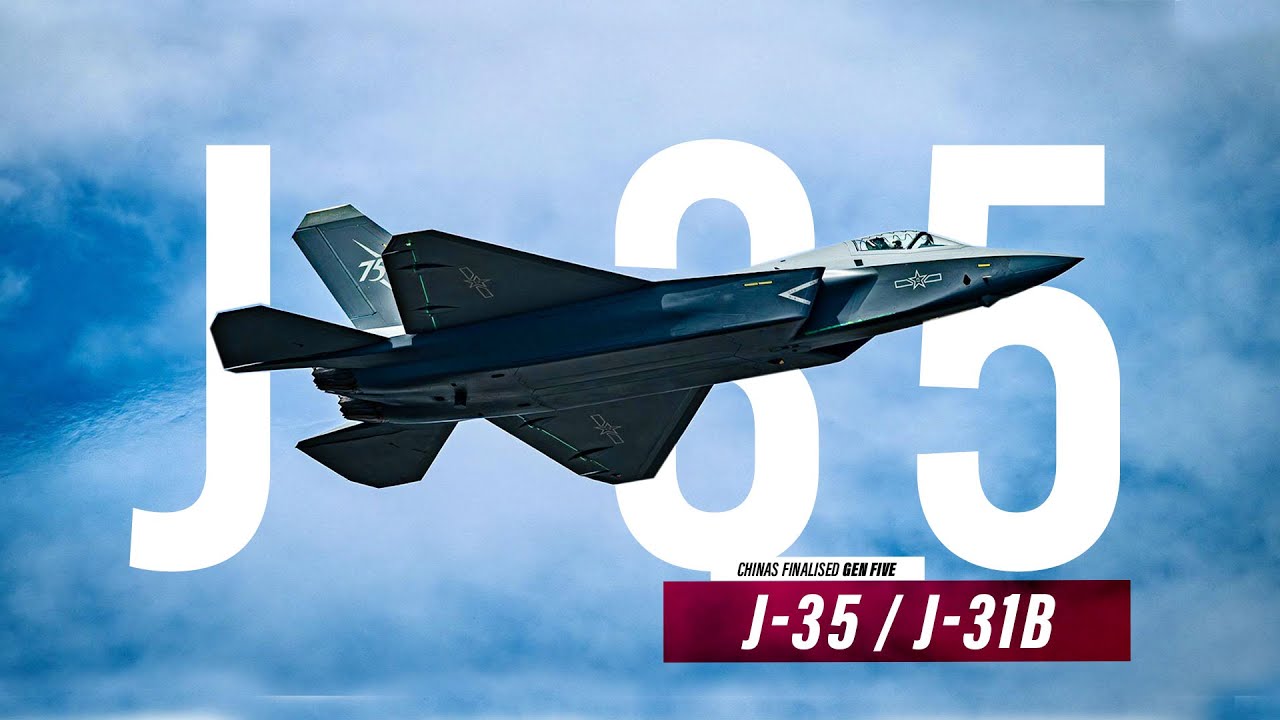
The J-35, formerly known as the J-31, has made a striking return to the global defense stage. Once sidelined and overshadowed by the J-20, this fifth-generation stealth fighter has emerged from obscurity with bold new upgrades. Its journey from a prototype to a combat-ready platform reflects not only resilience but also the evolution of China’s aerospace ambitions.
After years of silence, the J-35 turned heads at the Zhuhai Air Show in November 2024. With refined wings, an updated canopy, and enhanced stealth features, the aircraft now appears ready for real-world missions. Clearly, the J-35 is no longer a theoretical design—it’s a weapon China is ready to deploy.
Stealth Design, Modernized
The J-35 incorporates stealth geometry inspired by the F-35, Su-35, and the original J-31. Its sleek body, angled inlets, and tight tail structure reduce radar detection while boosting aerodynamic performance. Engineers used composite materials and internal weapons bays to minimize radar cross-section.
Unlike previous Chinese fighters, the J-35 relies on the WS-19 engine, which is still undergoing development. However, expectations are high. The engine is expected to deliver better fuel efficiency and improved thrust-to-weight ratios, putting it closer to Western aircraft performance levels.
Affordable Power with Versatility
What sets the J-35 apart is not just its stealth—it’s the smart mix of technology and affordability. According to reports, the operating costs and procurement price are significantly lower than those of the F-35 Lightning II. For countries seeking fifth-generation performance without the Western price tag, the J-35 could be a game-changer.
Notable features include:
- Sensor fusion and multi-role radar
- Adaptability for both carrier and land-based missions
- Planned twin-seat variant for advanced missions and training
- Operational readiness for air, ground, and maritime roles
Its naval variant positions the J-35 as a future pillar of China’s carrier fleet, especially as Beijing looks to challenge American influence at sea.
A Strategic Weapon on the Global Stage
Beyond its technical specs, the J-35 serves a greater purpose—it’s a diplomatic tool. As China expands its military influence, this aircraft could be central to its defense export strategy. Its low cost and versatile features appeal to emerging markets priced out of Western fighters like the F-35 or Eurofighter Typhoon.
Whether the J-35 can outperform its Western rivals in combat remains to be seen. Yet its current momentum, global interest, and low-cost appeal suggest it may soon become a key player in the international fighter jet arms race.
What’s Next for the J-35
As testing progresses and the WS-19 engine nears completion, the J-35 continues to move closer to mass production. With its latest upgrades and multi-role capabilities, China now holds a powerful tool for air power projection.
In short, the J-35 is not just back—it’s here to stay. And the world is paying attention.



Leave a Reply